Should I Break Up with My Male Personal Trainer?
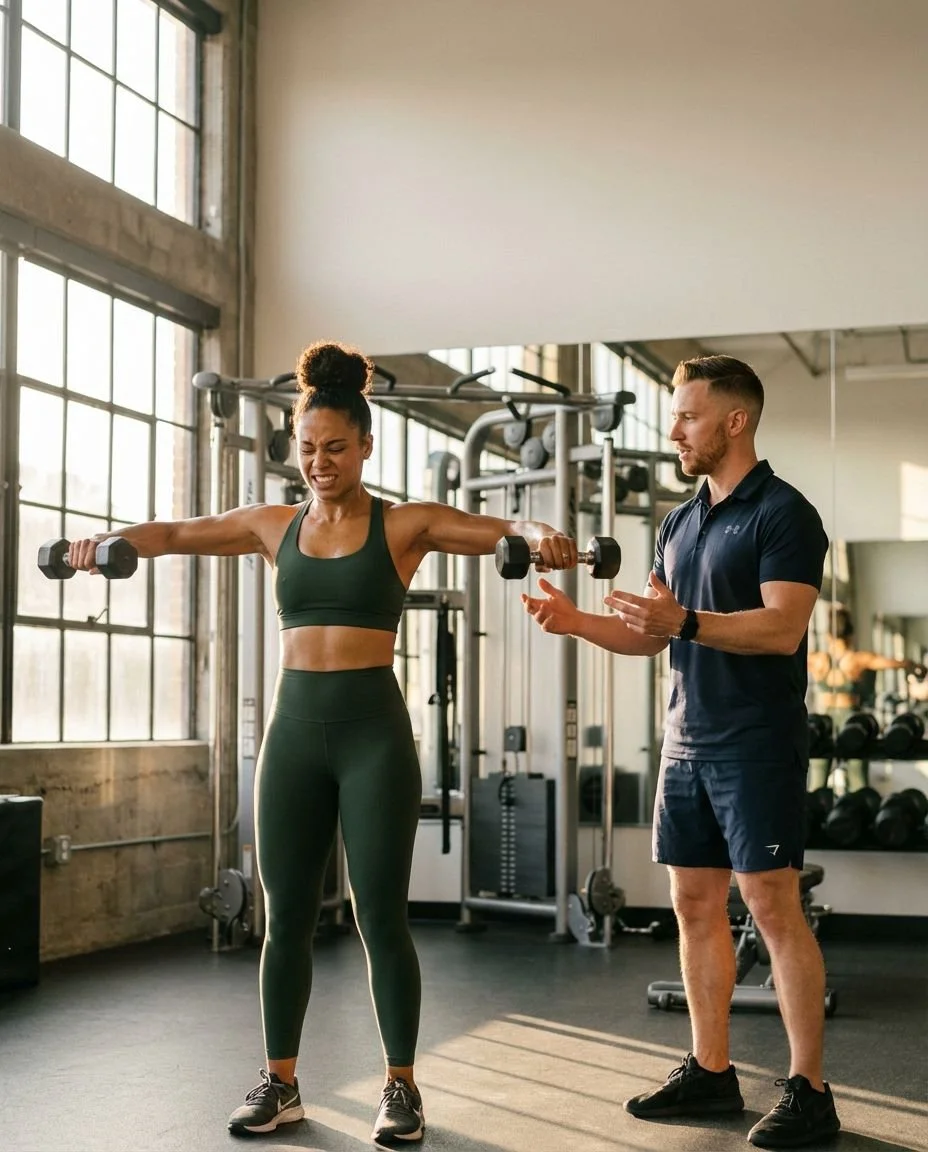
You like your trainer. He’s knowledgeable, he shows up on time, and he’s helped you make progress. But lately, something feels… off. Maybe it’s the way he doesn’t quite understand why you’re nervous about certain movements. Or how he pushes you to lift heavier when your body’s telling you “not today.” Or maybe you’re just tired of having to explain why rest matters during your cycle.
If any of this resonates, you’re not overthinking it. And you’re definitely not alone.
Here’s the thing: This isn’t about whether male trainers are qualified. It’s about whether you feel truly seen, heard, and supported in your body.
Why This Conversation Actually Matters
Let’s be clear upfront: great male trainers exist. Skilled, empathetic, professional ones who genuinely care about their clients and do excellent work.
But here’s what research shows us: Some women prefer female trainers because they feel more comfortable, understood, and empowered working with someone who gets their experience from the inside. A study published in The Sport Journal found that women chose female trainers because they believed a woman would better understand their struggles, comfort levels, and body-related concerns—particularly around balancing strength with femininity, navigating hormonal changes, and dealing with self-consciousness during workouts.
One participant in the study put it perfectly: “I wanted someone who had lost the weight, who knew what it felt like to struggle… I wanted someone who felt that [way] to train me.”
Here’s what often gets overlooked: Women’s bodies respond differently to training, hormones, recovery, and even motivation. A female trainer who’s lived through perimenopause, postpartum recovery, or chronic stress? She understands in a way that goes beyond textbook knowledge.
The Real Reasons Women Switch
So what actually drives women to seek out female trainers? Let’s talk about it honestly.
You don’t want to explain your body—you want someone who already understands it.
Your cycle affects your energy and strength. Menopause changes your metabolism and recovery needs. Postpartum requires gentle, patient progression. Female trainers know this because they’ve either experienced it themselves or trained dozens of women through it. You don’t have to educate them on why you need to modify today.
You want training built around your body
You don’t need someone telling you to “just eat less and lift more.” You need someone who understands that stress, sleep, hormones, and real life all play a major role in how your body responds to training. Female trainers tend to approach programming with nuance, not just intensity.
You want to feel safe—not self-conscious.
Here’s something we don’t talk about enough: gym harassment is real. As we discussed in our post about avoiding guys hitting on you at the gym, unwanted attention can completely derail your workout—and your relationship with fitness. When your trainer is a woman in a women-only space, that entire dynamic shifts. You’re free to focus on your strength, not managing someone else’s gaze.
You crave empathy, not just expertise.
According to research from the National Center for Biotechnology Information, women prioritized trainers who demonstrated empathy, active listening, and personalized attention—qualities they felt were more naturally present in female trainers. One woman in the study said it perfectly: “A female trainer wouldn’t make me feel self-conscious in the beginning, while I was still at a body size that was undesirable to me.”
That kind of understanding changes everything.
What Female Trainers Actually Bring to the Table
Female trainers aren’t just qualified—they bring a depth of understanding that shifts the entire training experience.
They listen without judgment. Whether you’re dealing with pelvic floor issues, anxiety about lifting heavy, or frustration with your progress, female trainers create space for honest conversation. You don’t have to minimize what you’re experiencing or worry that it sounds “dramatic.”
They design programs for women’s bodies. From managing joint laxity during different phases of your cycle to building bone density during menopause, training women requires nuance—not a one-size-fits-all approach copied from male programming.
They normalize what you’re going through. Bloating before your period? Exhaustion during perimenopause? A female trainer won’t dismiss it as an excuse—she’ll work with your body’s reality, not against it.
They inspire by example. Seeing a strong, confident woman who lifts, coaches, and leads? That’s powerful. It reminds you that strength isn’t masculine—it’s yours.
When It’s Time to Make the Switch
So how do you know if it’s actually time to change trainers? Here are the signs.
You feel like you’re constantly explaining why something doesn’t work for your body. You’re uncomfortable during certain exercises—especially those that require close proximity or physical adjustment. You want a trainer who asks about your cycle, stress levels, sleep, or major life changes. You find yourself holding back questions because you’re worried they’ll sound “silly” or “too much.” You just don’t feel seen.
If any of these resonate, it’s not a reflection of his skills. It’s about finding the right fit for you—and that’s completely valid.
What Changes in a Women-Only Environment
Expert female trainers - Our personal trainers specialize in women's strength training, hormonal health, and life transitions.
A private, focused environment - One-on-one sessions in a calm, women-centered space. No distractions. No performance pressure.
Programming that fits your life - Whether you're navigating perimenopause, postpartum, or simply building strength—we meet you where you are.
A space that’s truly yours.
The bottom line? If you've been wondering whether working with a female trainer is right for you—trust that instinct. Meet our female personal trainers in San Francisco.
Ready to see Eden for yourself? Schedule a tour of our private, women-only gym at 1640 and 1650 Bush Street in Lower Pacific Heights, San Francisco.
This article is meant to inform, inspire, and support your wellness journey, not to replace professional medical advice. Please consult with your licensed healthcare provider before making any changes to your health or fitness routine. Read our fullTerms & Conditions.