Can Exercise Lower Breast Cancer Risk? What Women Should Know
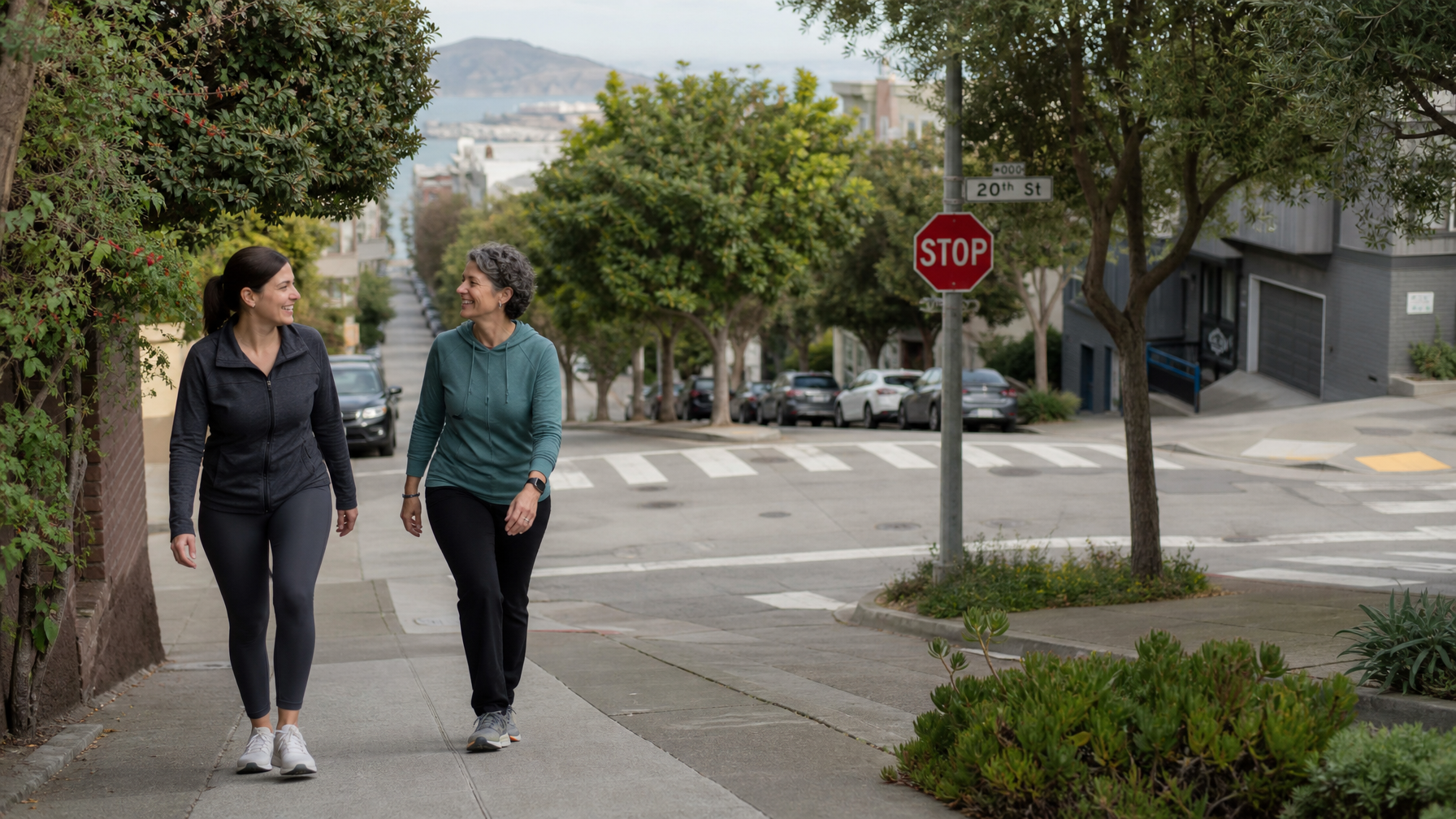
October brings a flood of pink ribbons, fundraising campaigns, and reminders about breast cancer screening. Those reminders matter. But there is another part of the conversation that receives less attention: regular physical activity is one of the lifestyle factors associated with a lower risk of breast cancer.
That is useful information, but it needs to be handled honestly. Exercise is not a guarantee, and breast cancer is never proof that someone failed to take care of herself.
Here is what the evidence does tell us, what it does not, and how to use it without turning prevention into another source of pressure.
Physical Activity Is Linked to Lower Breast Cancer Risk
The Centers for Disease Control and Prevention includes breast cancer among the cancers that occur less often in adults who get greater amounts of physical activity. The CDC also estimates that getting enough physical activity could prevent about one in eight cases of breast cancer at the population level.
That estimate does not mean exercise eliminates one woman’s individual risk. Breast cancer has many risk factors. Some can be influenced, while others cannot.
Age, inherited genetic changes, family history, breast density, reproductive history, alcohol use, body weight after menopause, and hormone exposure can all play a role. Some women who exercise regularly will still develop breast cancer. Some women with few known risk factors will develop it too.
Physical activity is one part of risk reduction, not a shield.
How Might Exercise Help?
Researchers continue to study exactly how physical activity affects cancer risk. Several pathways may be involved.
Regular activity can help regulate insulin and other metabolic processes. It may reduce chronic inflammation and help with weight management. This is particularly relevant after menopause because excess body fat can contribute to higher estrogen levels, and some breast cancers are sensitive to estrogen.
Exercise also affects immune function and other biological systems connected to cancer development. No single mechanism explains the whole relationship, which is one reason responsible health advice avoids promising that one habit will prevent cancer.
The practical point is simpler: movement supports several areas of health at once, and breast cancer risk appears to be one of them.
How Much Activity Should You Aim For?
Current U.S. guidelines recommend that adults work toward:
● At least 150 minutes of moderate-intensity aerobic activity each week, or 75 minutes of vigorous activity
● Muscle-strengthening activity involving the major muscle groups on at least two days each week
● Less time sitting, with more movement throughout the day
Moderate intensity means you are breathing harder but can still speak in sentences. Brisk walking, cycling on mostly level ground, or a steady session on a cardio machine may qualify. Vigorous activity makes conversation more difficult and could include running, fast cycling, or harder intervals.
You do not need to complete the weekly total in long sessions. A 30-minute brisk walk on five days reaches 150 minutes. Shorter bouts count too.
Strength training belongs in the plan because it supports muscle, bone, physical function, and long-term independence. It should complement aerobic activity rather than replace it.
San Francisco Walking Is Helpful, but Look at the Whole Week
Living in San Francisco can add more activity to daily life than you realize. Walking to a bus stop, climbing hills, carrying groceries, and taking stairs all count as movement.
The question is whether those activities add up to a balanced week.
Try a simple audit:
● How many days did you move at a moderate or vigorous intensity?
● Did you train the major muscle groups at least twice?
● How much of the day did you spend sitting?
● Is your routine consistent, or does all your activity happen on the weekend?
You do not need perfect numbers. You need an honest picture. If your weekdays are mostly spent at a desk, a weekend hike is valuable, but it may not be the complete plan you thought it was.
Screening Still Matters
Exercise does not replace mammograms, conversations about family history, genetic counseling when appropriate, or evaluation of a breast change.
Screening recommendations can vary based on age, risk factors, and the organization issuing the guidance. Your healthcare provider can help you decide when to begin screening and how often to repeat it based on your individual risk.
Do not wait for a routine appointment if you notice a new lump or a change in the breast or nipple. Have it evaluated by a healthcare professional.
This is an important distinction. Exercise may help reduce risk over time. Screening is intended to find cancer earlier. They serve different purposes, and both deserve a place in women’s health.
If You Are in Treatment or Recovery
Physical activity can also benefit many cancer survivors, but the right program is individual. Treatment can affect energy, balance, bone health, range of motion, blood counts, and risk of infection or lymphedema.
If you are currently receiving treatment or returning to exercise after surgery, ask your oncology or rehabilitation team what is appropriate for you. A trainer can support an approved plan, but should not diagnose symptoms or make medical decisions.
Some days, the right starting point may be a short walk or gentle mobility work. On others, you may be ready for progressive strength training. The plan should respond to your treatment, recovery, symptoms, and medical guidance.
Let the Facts Guide You, Not Guilt
Breast Cancer Awareness Month should give women better information, not another reason to judge their bodies or blame themselves.
Regular activity is associated with a lower risk of breast cancer and offers many other benefits for the heart, bones, muscles, sleep, and mental health. That makes it worth doing. It does not make cancer a personal failure.
Build a routine that is realistic enough to repeat. Walk, lift weights, take the stairs, and break up long periods of sitting. Then keep up with the medical care and screening that fit your risk.
If you are ready to add structured strength training to the movement you already get, schedule a tour of Eden Fitness Studio. Eden offers women a private, reservation-based place to train without crowds, waiting for equipment, or feeling watched.
This article is for general information and does not replace medical advice, cancer screening, diagnosis, or treatment. Ask your healthcare provider what screening and exercise recommendations are appropriate for you. Read our full Terms & Conditions.