Ozempic & Mounjaro: Don't Let Weight Loss Steal Your Muscle
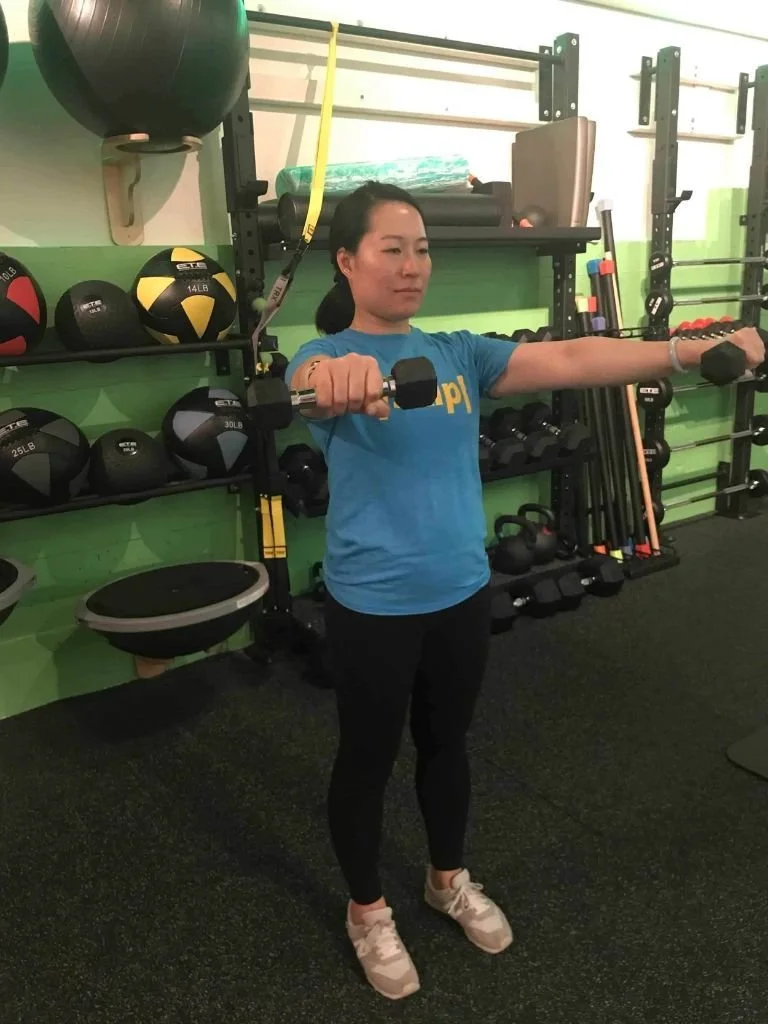
You're finally seeing the number on the scale drop. After years of trying everything—cutting carbs, intermittent fasting, tracking every calorie—your doctor prescribed Ozempic or Mounjaro, and the weight is coming off. You should feel amazing, right?
But here's what nobody warned you about: You're also getting weaker. Your arms feel softer. Climbing stairs leaves you winded. That muscle definition you worked so hard for? It's disappearing along with the fat. You're losing weight, but you're also losing you—your strength, your energy, your metabolic health.
If this sounds familiar, you're not imagining it. And you're definitely not alone.
The Truth About GLP-1 Medications and Muscle Loss
Let's be clear: GLP-1 medications like Ozempic (semaglutide) and Mounjaro (tirzepatide) can be powerful tools for weight loss and blood sugar management. They work by mimicking hormones that regulate appetite and insulin, leading to significant weight reduction. But here's what often gets left out of the conversation with your doctor:
When you lose weight rapidly without resistance training, up to 25-40% of that weight loss can be muscle—not just fat.
Research published in the Journal of the American Medical Association found that participants using semaglutide for weight loss experienced significant lean body mass reduction alongside fat loss. Without intentional muscle preservation strategies, the scale goes down, but so does your metabolic rate, bone density, and functional strength.
Think about what that means: You're losing the very tissue that keeps your metabolism running, protects your bones, stabilizes your joints, and allows you to move through life with confidence and independence.
Why Muscle Loss Matters More Than You Think
Muscle isn't just about aesthetics or fitting into smaller jeans. It's metabolically active tissue that:
Burns calories at rest (more muscle = higher resting metabolic rate)
Regulates blood sugar (muscle is the primary site for glucose disposal)
Protects bone density (especially crucial for women over 40)
Prevents injury (strong muscles stabilize joints and support movement)
Maintains independence (functional strength for daily activities)
When you lose muscle mass during rapid weight loss, you're essentially slowing down your metabolism while reducing your body's ability to process food efficiently. The Cleveland Clinic emphasizes that maintaining muscle mass during weight loss is critical for long-term metabolic health and preventing weight regain.
Here's the hard truth: If you lose 30 pounds and 40% of it is muscle (12 pounds), you've just made it significantly harder to maintain your weight loss. Your body now requires fewer calories to function, and your capacity for movement has decreased.
The Strength Training Solution
This is where strength training becomes non-negotiable—not optional, not "nice to have," but essential.
Resistance training during weight loss sends a powerful signal to your body: "We need this muscle. Don't break it down for energy." It's the difference between losing weight and losing fat while preserving or even building the lean tissue that keeps you strong, capable, and metabolically healthy.
What Strength Training Does While You're on GLP-1 Medications:
Preserves Lean Muscle Mass Even two sessions per week of progressive resistance training can significantly reduce muscle loss during caloric deficit and rapid weight loss.
Protects Your Metabolism By maintaining muscle tissue, you keep your resting metabolic rate higher, making long-term weight maintenance more achievable.
Improves Body Composition Instead of just becoming a "smaller version" of your current shape, you can actually reshape your body—less fat, more defined muscle, better functional capacity.
Supports Bone Density Weight-bearing exercise signals your bones to stay strong, which is especially important if you're losing significant body weight (your bones are adapting to carrying less load).
Maintains Functional Strength You want to carry groceries, play with kids or grandkids, travel without exhaustion, and move through life with energy and confidence. Muscle makes that possible.
Enhances Insulin Sensitivity Even beyond what the medication provides, strength training independently improves how your body processes glucose—a win-win for metabolic health.
What Strength Training Actually Looks Like
Here's the thing: you don't need a complicated program or a rigid schedule. What you need is consistency with the basics and a willingness to challenge yourself in ways that feel sustainable for your life.
Start with two to three strength sessions per week—nothing extreme, just regular. Focus on compound movements that work multiple muscle groups at once: squats, deadlifts, presses, rows, lunges. These give you the most benefit for your time and build the kind of functional strength that translates to real life. And yes, you need to lift weights that actually challenge you. Not so heavy that your form breaks down, but heavy enough that the last few reps feel hard. That's where the magic happens—that's the signal your body needs to hold onto muscle.
Protein becomes your best friend during this process. Your appetite might be lower because of the medication, but protein is non-negotiable if you want to preserve muscle. Aim to include it at every meal—Greek yogurt at breakfast, chicken or fish at lunch, a quality protein source at dinner. If eating enough feels challenging, a protein shake can help bridge the gap. And don't forget: rest matters just as much as the work. Your muscles don't grow in the gym—they grow during recovery. Sleep, hydration, and actual rest days are part of the process, not obstacles to it.
Most importantly, stop measuring success solely by the number on the scale. As we explored in our post about comparing yourself to other women, that comparison trap doesn't serve you—and neither does obsessing over pounds when your body composition is changing. Track how much weight you're lifting. Notice how your clothes fit. Pay attention to how you feel—your energy, your confidence, your ability to move through daily life with ease. Those are the metrics that actually matter.
A Mindset Shift: Redefine Success
Here's the empowering reframe: Your goal isn't just to weigh less. It's to be strong, capable, and healthy for the long haul.
Instead of celebrating only the number dropping on the scale, celebrate:
Lifting heavier than you did last month
Feeling energized instead of depleted
Seeing muscle definition emerge
Moving through daily life with ease and confidence
Knowing you're protecting your bones, metabolism, and future self
GLP-1 medications can be part of your health journey. Strength training ensures that journey leads to a destination of strength, not just smallness.
When You're Ready for Expert Guidance
If you're taking Ozempic or Mounjaro and ready to protect your muscle while you lose fat, you don't have to figure this out alone.
At Eden Fitness Studio in San Francisco, our expert female trainers specialize in helping women build strength that lasts—especially during major body transitions. We design customized programs that meet you where you are, honor what your body needs, and guide you toward sustainable results.
Our private women's gym in Lower Pacific Heights offers a judgment-free space where you can focus on getting stronger without feeling watched or compared. Available 24/7 with reservation-based access, it's designed for women who value privacy, safety, and results.
Whether you're navigating weight loss medication, perimenopause, postpartum recovery, or simply want to feel strong and capable in your body—we're here when you're ready.
This article is meant to inform, inspire, and support your wellness journey, not to replace professional medical advice. Please consult with your licensed healthcare provider before making any changes to your health or fitness routine, especially if you're taking prescription medications. Read our full Terms & Conditions.